Siding Installation: Enhance Your Home's Curb Appeal and Value
Siding installation serves a vital function in shaping a home's exterior. It not only enhances curb appeal but also contributes to overall property value. Homeowners must make critical choices about materials and design options. Picking the correct siding can have a major effect on energy performance and long-term care. Recognizing these considerations can lead to well-informed decisions. What aspects should homeowners keep in mind essential resource when embarking on this endeavor?
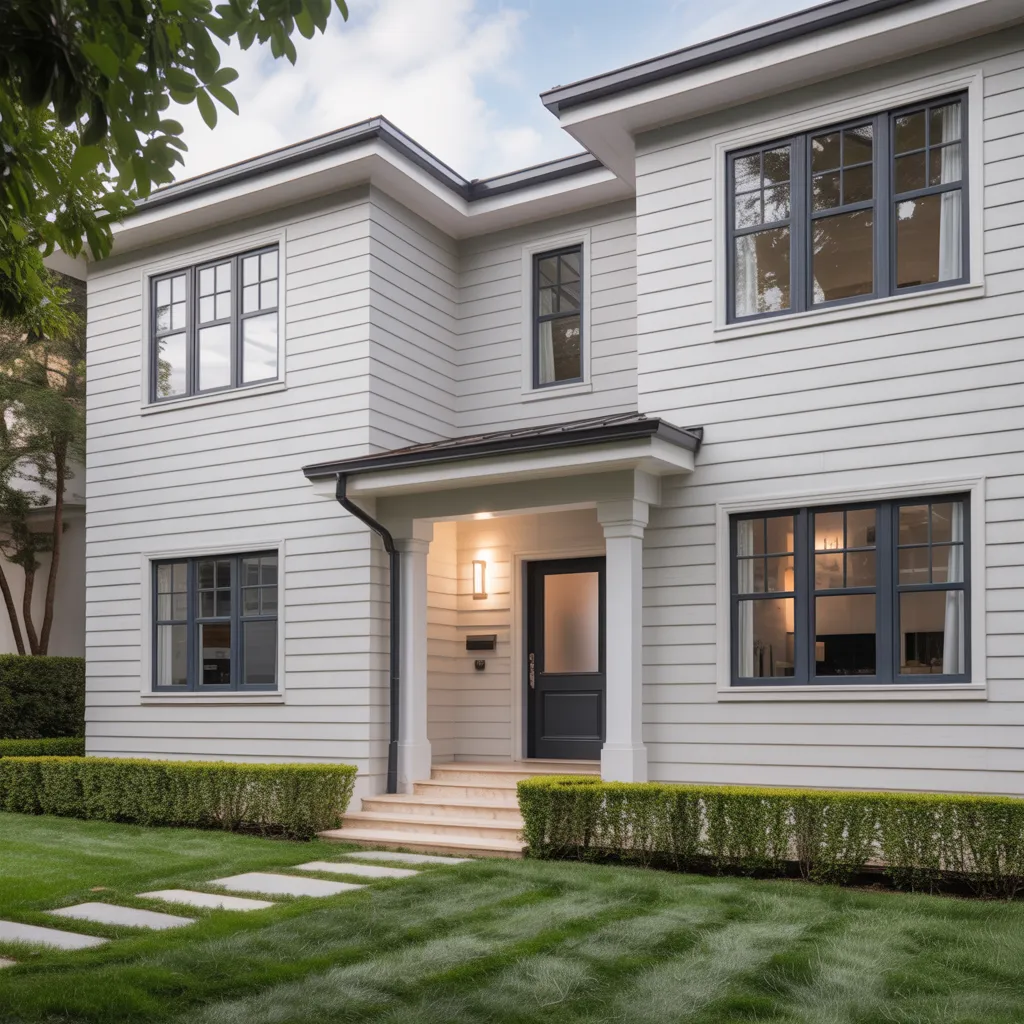
The Importance of Siding for Your Home's Value
Siding acts as an essential element in enhancing a property's total value. It not only adds to the property's aesthetic appeal but also provides functional benefits that can influence potential buyers. Well-chosen siding materials can increase energy efficiency, reducing energy costs, which is attractive to homeowners. Moreover, siding safeguards the structural foundation from weather-induced deterioration, thereby prolonging the lifespan of the home.
Homes featuring quality siding often command increased resale prices, as potential buyers appreciate the lower maintenance requirements and increased curb appeal. Additionally, contemporary siding choices, such as fiber-cement or vinyl siding, are engineered to resist pests, fading, and warping, thereby ensuring enduring value. The right siding can establish a positive first impression, making it an excellent investment for homeowners seeking to maximize their property's marketability and value.
Choosing and Installing the Right Siding for Your Home
Selecting the best exterior siding for a home means familiarizing yourself with various available materials and the installation process. Each type of material offers notable advantages and factors that can determine both aesthetics and durability. A well-defined strategy for installation steps ensures a successful application, boosting the property's general aesthetic and structural integrity.
Summary of Material Options
When selecting the most suitable exterior siding for a property, homeowners encounter a variety of available materials that can significantly impact both appearance and durability. Vinyl siding remains a top choice due to its budget-friendly nature and ease of maintenance, while wood offers a classic look but requires more upkeep. Fiber cement delivers exceptional durability and protection against pests, positioning it as a reliable option across different climates. Metal siding, commonly aluminum or steel, is celebrated for its durability and sleek aesthetic. Furthermore, brick and stone veneer contribute considerable value and enduring charm but involve greater installation expenses. The decision ultimately copyrights on financial considerations, preferred aesthetics, and regional weather patterns, ensuring that homeowners make a well-informed decision that enhances their property.
Installation Procedure Steps
Selecting the ideal siding for a home involves a methodical approach that balances aesthetics, functionality, and installation requirements. Initially, homeowners should assess their local climate and architectural style, ensuring the chosen material suits their home's design and handles environmental conditions. Next, they must determine the exterior dimensions accurately to establish the quantity needed.
Once the appropriate siding material has been determined, surface preparation is critical, including repairs and cleaning. Installing a moisture barrier is recommended to protect against water damage. Once that is complete, the siding pieces are trimmed to the correct dimensions and attached using the appropriate fastening materials, ensuring proper alignment. To complete the process, the installation should be finished with trim pieces and caulking to improve both durability and visual appeal, completing the transformation that boosts curb appeal and value.
Comparing Siding Materials: Which Option Is Right for You?
Which siding material best suits a homeowner's needs? Homeowners are frequently presented with numerous options, each offering unique benefits. Vinyl siding stands out as a favored choice thanks to its economical price point and easy maintenance, making it especially suitable for budget-minded homeowners. On the other hand, wood siding provides visual charm and natural insulating properties but demands consistent maintenance to avoid degradation. Fiber cement siding merges long-lasting strength with a wood-like appearance, offering protection against pests and harsh weather, whereas stone and brick alternatives provide outstanding durability and classic elegance, though at a greater expense. Metal siding, frequently incorporated into modern home designs, is yet another alternative, celebrated for its structural strength and resistance to fire. Ultimately, the best choice depends on factors such as budget, climate, and desired aesthetic. Homeowners should weigh these considerations carefully to select a siding material that enhances both their home's curb appeal and overall value.
How New Siding Can Boost Your Home's Energy Efficiency
Upgrading to modern siding can significantly improve a home's energy performance. Modern siding options are crafted with innovative insulation properties that work to stabilize indoor temperatures, decreasing dependence on heating and cooling systems. As an example, insulated vinyl siding can noticeably lower energy bills by reducing heat loss in winter and maintaining cooler indoor temperatures in summer.
Additionally, new siding choices often feature reflective surfaces that help deflect UV rays, additionally reducing home cooling expenses. Homeowners are able to choose from numerous options, including fiber cement and composite siding, which not only boost home insulation but also resist moisture and pests, enhancing durability.
Professional installation is critical to maximizing energy efficiency. Gaps or poor sealing can undermine the benefits of upgraded siding. With a commitment to quality materials and skilled installation, homeowners can benefit from a more pleasant indoor environment while also increasing their home's market value through improved energy performance.
What You Can Expect During the Installation Process
When new siding is being installed, homeowners can look forward to a well-coordinated process that takes place across multiple critical phases. Initially, the crew will thoroughly evaluate the existing structure, ensuring that any necessary repairs are addressed before the new siding is applied. Following this, the old siding is methodically taken down, followed by the installation of a water-resistant barrier to shield the materials beneath.
After these preparations have been completed, the new siding is installed, which may involve careful measurements and trimming to fit around windows and doors. Homeowners can anticipate seeing the siding being anchored with proper fasteners to guarantee durability. Throughout the process, workers will preserve a neat and structured workspace, reducing disturbance to the home. Finally, a comprehensive inspection is performed to confirm the installation adheres to quality benchmarks, leaving homeowners with a refreshed exterior that boosts both visual appeal and overall property worth.
Key Maintenance Tips to Ensure Long-Lasting Siding Performance
To ensure optimal quality and lifespan of siding, a routine maintenance schedule is necessary. Additionally, routine inspections for damage can allow you to spot issues before they worsen. Such preventative measures significantly contribute to preserving the condition and aesthetics of the siding surface over the long term.
Regular Cleaning Schedule
Regular maintenance is essential for maintaining the durability and look of siding. Creating a consistent cleaning regimen can substantially boost its performance and overall appearance. It is recommended that homeowners clean their siding no less than twice per year, optimally during the spring and fall seasons. This practice aids in eliminating dirt, mold, and mildew that may build up over time, avoiding discoloration and deterioration. A gentle wash using a mixture of water and mild detergent is often sufficient. For more stubborn stains, using a soft-bristle brush or a pressure washer set to a low level may be necessary. By adhering to this cleaning regimen, homeowners can guarantee their siding remains in excellent condition, ultimately contributing to the overall curb appeal and value of the property.
Examine for Damage
Routinely examining siding for damage is essential for preserving its condition and look. Homeowners should check for signs of wear, such as cracks, warping, or peeling paint, which can indicate underlying issues. Furthermore, the regions surrounding windows and doors are particularly vulnerable and should be checked thoroughly. Moisture buildup or mold growth may signal that the siding is failing to offer sufficient coverage, requiring prompt action. Periodic evaluations, particularly following harsh weather conditions, can aid in spotting issues promptly, reducing the risk of significant repair costs later. It is also recommended to watch for bug infestations or rotting indicators, as these can undermine the siding's performance. Proactive care secures enduring functionality and enhances the overall aesthetic of the home.
Questions We Often Receive
How Much Time Does Siding Installation Usually Require?
Siding installation typically takes one to three days, influenced by the home's size, the type of siding used, and weather conditions. Homeowners should anticipate potential delays if substantial repairs are needed prior to installation.
Should I Install Siding Myself or Work with a Contractor?
It is possible to install siding yourself when equipped with the proper skills and tools; that said, engaging a professional contractor generally provides greater quality and efficiency. Evaluating personal skills alongside professional experience is critical for ensuring a positive outcome.
What Are the Top Siding Colors to Boost Home Value?
Understated hues like gray, beige, and white tend to increase home value, drawing interest from more potential buyers. Bold shades are capable of standing out but could reduce the pool of interested buyers, making neutral tones a wiser choice for resale value.
Does Siding Installation Require Permits or Inspections?
Siding projects commonly require permits and inspections, based on local building regulations. Homeowners should consult with local authorities to identify the specific requirements, guaranteeing compliance and preventing potential fines or issues throughout the installation process.
How Does Siding Affect My Home Insurance Premiums?
Siding may impact home insurance costs by shaping risk evaluations. Durable materials may lower premiums, while vulnerability-prone choices may raise premiums. Insurance providers frequently evaluate the siding's influence over total home value and care demands.